


Diet and nutrition are vital to boost immunity against infection, disease, and cancer and maintain optimal overall health and longevity for individuals with asplenia. Though a direct connection between splenomegaly and diet has yet to be defined, anyone with impaired spleen function or asplenia should keep the following dietary spleen removal considerations in mind.
Spleen Removal Diet Recommended Restrictions
Food provides nutrients and energy for the body to build, function, and repair itself. It is necessary for every cell, organ, and system in the body, including the spleen. It is important to avoid certain foods and beverages that may increase the risk of health problems that contribute to spleen enlargement and decrease function.
Certain foods are disruptive to biological processes and cellular functions and can alter the function of other organs and even the immune system itself. Individuals with risk factors for certain chronic and inflammatory conditions, such as rheumatoid arthritis, should avoid excess sugar and processed foods. Enjoying an occasional soda or processed meal from a fast-food restaurant is generally not enough to significantly impact dangers to one’s spleen and overall health. But individuals with metabolic syndromes, congestive heart failure, or chronic ailments may experience abnormal inflammatory, metabolic, and spleen disease symptoms.
Foods to limit or eliminate when awaiting spleen removal or recovering from surgery include:
- Beverages with high fructose and sugar, including carbonated drinks and sodas, milkshakes, energy drinks, coffee
- Processed animal proteins, such as bacon, canned meats, hot dogs, sausages, and those with high nitrate levels
- Snacks with high sodium content: pretzels, chips, crackers, and nuts
- Sugar-ladened items like ice cream, cakes, cookies, pastries, and candy
- Processed and high trans meals, including fried foods, burgers, tacos, and pizza
Alcohol consumption damages the liver. Damage that develops from excess liver scarring is called cirrhosis. Cirrhosis of the liver is a common cause of splenomegaly and other health problems. NAFLD or nonalcoholic fatty liver disease is also common in individuals who consume little to no alcohol. It causes the liver to store too much fat, and indirectly affect spleen function. Risk factors for cirrhosis and NAFLD include diet, lifestyle, and underlying metabolic disorders, such as diabetes, hypertension, and elevated cholesterol and blood fat levels.
Bear in mind that underlying health concerns may increase the number and type of foods and beverages that one can safely enjoy with minimal impact on spleen activity or overall health. Individuals with secondary or additional medical concerns should follow their physician’s recommendations to avoid complications and disease progression.
Spleen Removal Dietary Suggestions
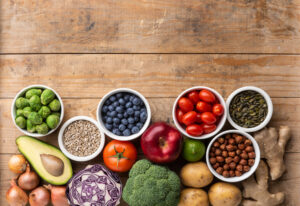
A well-rounded spleen removal diet that incorporates the following recommendations can help to ward off infection and disease before and after spleen removal.
Fruits like bananas, peaches, blueberries, cherries, oranges, and melons are high in fiber, antioxidants, and flavonoids which are beneficial in lowering the overall risk and disease activity in those with known and underlying inflammatory, metabolic, and cardiac conditions and cancers.
Vegetables, including leafy greens, broccoli, peppers, and asparagus, contain dietary fibers, nutrients, and vitamins that support digestion. These foods are low in unhealthy fats and calories and help reduce the risk of certain cancers, eye disorders and aid in regulating blood glucose levels, metabolic activity, and overall health.
Proteins like fish, poultry, dairy, nuts, legumes, etc., contain amino acids that the body uses to synthesize hormones, enzymes, and antibodies that the body uses to fight infection and maintain muscle and bone strength and optimal cell and tissue health.
Polyunsaturated and monosaturated fats, such as avocados, most nut varieties, and olive, avocado, safflower, and peanut oils enhance nutrient absorption and energy for proper cellular and nerve function. These healthy fats are also essential for inflammation control, proper blood clotting and muscle function.
Grains contain a good mix of minerals (selenium, magnesium, iron, etc.), B vitamins, and dietary fibers that lower the risk of chronic health disorders and inflammatory conditions, especially in those with splenomegaly and asplenia. Grains help regulate digestive and stool function, which in turn prevents constipation, aid in regular toxin elimination and bowel health to prevent obesity, diabetes and other spleen disorder causing conditions.
Spleen Removal Dietary Advisements
Post-operative spleen removal patients should consider making the following changes to their diets to reduce the risk of complications and discomfort as they heal from their procedures.
- Reduce the size of meals and eat more frequently throughout the day to prevent bloating and gastrointestinal discomfort. Slowly increase meal sizes while decreasing the frequency of consumption as needed to prevent appetite satiety.
- Consume bland and low-fat foods, such as applesauce, rice, toast, and flavored jello/gelatin during the first few days after spleen removal. They are easy on the stomach and prevent nausea and stomach upset as the body heals and digestive and bowel function resume and improve.
- Increase fluid intake to prevent dehydration. Water and other clear liquids help prevent inflammation and reduce the risk of constipation and healing impairments.
- Take iron and fiber supplements or stool softeners to avoid straining and abdominal discomfort when having bowel movements.
Open, laparoscopic, and da Vinci Robotic-assisted spleen removal surgery temporarily interrupts normal digestive and bowel function. These spleen removal dietary recommendations can help speed up the recovery process and minimize any associated discomfort and complications. You can read more about how laparoscopic spleen removal is performed and what recovery involves on our procedure page.
Contact Us
Spleen removal patients have a greater susceptibility to infection after surgery, making it critical for them to take appropriate measures to strengthen their immune systems. Exposure to pneumococcal, Neisseria meningitides, Haemophilus influenza pathogens, and other viruses and infectious germs contribute to higher fatality rates for those with asplenia or impaired spleen function and weakened immune systems. In addition to making the necessary dietary and lifestyle improvements, vaccinations and boosters are essential for those with splenomegaly and asplenia.
For questions or concerns regarding spleen removal diet or surgery, contact Orange County Robotic General Surgery at (714)-541-4996.
Contact Us
To find out if inguinal hernia repair surgery is right for you, Contact Orange County General Robotic Surgery at (714) 706-1257 for a consultation with Dr. Abtin H. Khosravi.

