
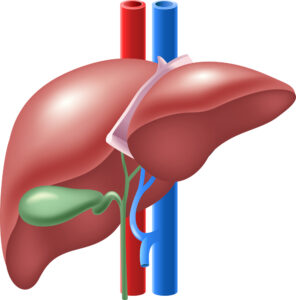
The gallbladder is a small organ that plays a huge role in the digestive process, but it is not essential for having a long, healthy, and productive life. If you are contemplating having your gallbladder removed but feeling a bit apprehensive or reluctant about the matter, consider the following advantages of laparoscopic gallbladder surgery and contact Orange County Robotic General Surgery to learn how it can benefit your situation.
Difference Between Open and Laparoscopic Gallbladder Removal Surgery
The gallbladder can be removed surgically in several ways. The most traditional method involves open surgery. For patients, this means longer preparation and recovery times, more surgical trauma, a higher risk of complications, and other concerns. Patients undergoing open or traditional gallbladder surgery are given general anesthesia to prevent pain while they sleep through their procedures. A large incision that is approximately five to seven inches long is made into the upper right portion of the abdomen so the surgeon can expand the cavity to make enough space to see and safely separate the gallbladder from all connecting tissues, ducts, and vessels before removing it from the body.
Laparoscopic gallbladder surgery starts with the patient being put under general anesthesia. Several tiny incisions are made into the abdomen for the surgery to be completed with a laparoscope and other surgical. The laparoscope is a tiny, thin probe-like device that has a special camera and light on the tip. The use of the laparoscope allows Dr. Khosravi to see enhanced, colorful images of the gallbladder and abdominal cavity so he can perform the procedure with greater precision.
Dr. Khosravi also offers single-incision gallbladder surgery via the da Vinci Robotic System, known as the da Vinci Cholecystectomy. The da Vinci system provides crisp, high-definition 3D, real-time images, and uses special surgical instruments that enhance the surgeon’s surgical dexterity and precision for better accuracy and results. Laparoscopic gallbladder removal surgery generally takes one to two hours to complete.
Benefits of Removing the Gallbladder Laparoscopically
No stitches or sutures – Laparoscopic incisions are so small that Dr. Khosravi uses a special, nonallergic surgical adhesive to seal the surgical site. Patients have better flexibility, minimal soreness, and heal faster. Also, there is no follow-up necessary for suture or stitch removal, so there’s less inconvenience.
Less pain and distress – The use of the da Vinci Robotic system minimizes trauma to the tissues and muscles that are nearby to the surgical area. It enhances Dr. Khosravi’s surgical precision and accuracy so there is significantly less pain, soreness, and even bleeding once the procedure is complete. Immediately after surgery, patients experience minimal pain, making it easier for them to heal and resume their normal activities much sooner.
Faster discharge home – Laparoscopic gallbladder removal patients do not need to remain under medical observation for longer than a few hours after their procedures, unlike open gallbladder surgery. Most patients are discharged home to start their recoveries the very same day.
Fewer surgical blemishes – Laparoscopic gallbladder removal involves several tiny incisions made in inconspicuous areas of the stomach and abdomen to access and remove the damaged organ. Laparoscopic surgery leaves behind less noticeable scarring, unlike traditional open surgery. In the da Vinci Cholecystectomy procedure, the incision is made through the belly button to prevent scar tissue and patients notice no scarring.
Lower risk of serious and general complications – Gallbladder surgery, in general, carries some risks. Open surgery has more complications that patients should take into consideration, such as excessive bleeding or clotting, adverse reactions to general anesthesia and other surgical medications, damage to blood vessels, nearby organs, intestines or bile ducts, bile leakage, cardiac distress, hernias, severe infection, nerve damage, etc. Laparoscopic gallbladder surgery also comes with risks, but they are much lower since the surgery is performed using less intensive and minimally invasive techniques and tools. Also, laparoscopic gallbladder surgery patients heal faster quickly, further reducing the risks of certain complications, such as hernias, pancreatitis, infections, and injury to the intestines or bile ducts.
Better postoperative care compliance – A lesser but very common cause of surgical complication risks come from patient noncompliance to postoperative care plans. Everyone heals from surgery differently. Many postoperative patients feel better much sooner than they expect after surgery, and in some cases, rush to resume restricted or their normal activities much sooner than advised. They may also invertedly experience setbacks in their recoveries because they are not completely open with their doctors about potential concerns or challenges, they experience while healing.
Due to laparoscopic surgery being a minimally invasive procedure, patients have fewer restrictions and significantly shorter recovery periods. This makes it easier for them to fully comply with their postoperative care plans so they can safely resume most, if not all their normal activities sooner than later, with their surgeon’s approval.
Learn How Laparoscopic Gallbladder Surgery Is Beneficial for You
Most Orange County Robotic General Surgery patients can benefit from laparoscopic gallbladder removal surgery, even those who have a history of multiple abdominal surgeries. A comprehensive medical evaluation with Dr. Khosravi, MD, is necessary for you to learn how you can personally benefit from laparoscopic or da Vinci Robotic Gallbladder surgery. Call (714)-541-4996 today!
Contact Us
To find out if inguinal hernia repair surgery is right for you, Contact Orange County General Robotic Surgery at (714) 706-1257 for a consultation with Dr. Abtin H. Khosravi.