
A hernia occurs when an organ or tissue squeezes itself through a weak spot in the surrounding muscle or connective tissue. This can happen in various parts of the body and often leads to discomfort or pain, usually requiring surgery to alleviate the symptoms and prevent any further complications.
In this article, we’ll walk you through the entire journey of hernia repair surgery in Los Alamitos, from the initial consultation to the post-operative recovery period. If you’re currently facing the prospect of hernia surgery, or just curious about what it entails, we’ll be offering insight into what you can expect every step of the way.
Preparing for Hernia Repair Surgery
Preparing for hernia repair surgery in Los Alamitos involves several important steps to ensure the best possible outcomes, the first step being a consultation with a surgeon. This initial meeting serves as an opportunity for patients to discuss the hernia, any symptoms they’ve been experiencing, and their medical history. The surgeon will then assess the severity of the hernia and recommend the most suitable treatment plan, which will likely include surgery.
Following the initial consultation, patients may have to undergo pre-operative tests and evaluations in order to help the medical team gather essential information about their overall health and any potential risks or complications that could arise during the surgery. Some of the more common tests may include blood work and imaging scans, and while the tests may seem routine, they play an important role in ensuring the patient’s safety throughout the entire surgical process.
As the day of the surgery approaches, the patient will receive detailed instructions for pre-surgery preparation, which typically involves fasting for a specific period of time to ensure their stomach is empty before undergoing anesthesia. The surgeon may also advise them to make adjustments to their medication regimen, such as temporarily stopping certain medications or switching to alternatives that are safer to use during hernia repair surgery in Los Alamitos.
Day of Surgery
Upon arriving at the hospital on the day of surgery, the staff will guide the patient through the admission process to make sure they feel comfortable and informed every step of the way. Once the patient is checked in, they’ll be taken to a pre-operative area where they’ll have the opportunity to change into a hospital gown and prepare for the upcoming procedure.
As the surgical team begins to prepare for the operation, the patient will have to undergo some pre-operative procedures. One of the most important steps during this time is the administration of anesthesia. The anesthesiologist will explain the different types of anesthesia available and choose the option that best suits the patient’s needs and personal preferences.
Before the surgery begins, the patient will have a final consultation with their surgical team. This is their chance to carefully review the details of the procedure, confirm any last-minute instructions, and address any remaining uncertainties. The surgeon and the rest of the team should take the time to listen to any concerns and offer reassurance.
Surgical Procedure
In open surgery, the surgeon makes a single, larger incision near the site of the hernia to access and repair the weakened tissue. This approach allows them to directly see the hernia and the surrounding structures, which makes it an ideal approach for larger hernia or cases where more precise repair is needed.
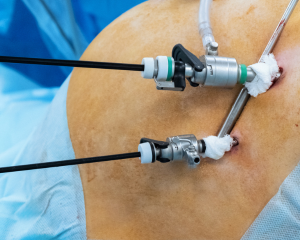
Laparoscopic surgery, on the other hand, involves making several small incisions in the abdomen. Through these tiny openings, specialized instruments and a camera are inserted to perform the repair. Laparoscopic surgery offers the advantages of smaller incisions, reduced postoperative pain, and faster recovery times. However, it might not be a suitable option for all hernias, depending on the hernia’s size and location.
Anesthesia is a crucial aspect of any surgical procedure, and there are different types of anesthesia available, each with its own unique effects and applications. Both local and general anesthesia are commonly used for hernia repair surgery in Los Alamitos. The anesthesia team will work closely with the patient to determine the best option based on their medical history, preferences, and the specifics of the hernia repair.
The duration of the surgery can vary depending on factors such as the complexity of the hernia, the chosen repair technique, and any unforeseen complications that may arise. While some Hernia Repair Surgery in Los Alamitos can be completed in under an hour, others might take longer to ensure an effective repair.
Recovery Period
Once the surgery is complete, the medical team will closely monitor the patient’s vital signs to make sure they’re comfortable as they transition back to consciousness. If a patient starts to experience some pain at the surgical site, the medical team can provide pain management strategies to help ease any discomfort; this can include medications, as well as non-pharmacological interventions like relaxation techniques. The goal is to make sure the patient is as comfortable as possible during the initial stages of recovery.
The healthcare team will provide clear guidance on what foods to eat and avoid, as well as any limitations on physical activity during the early stages of recovery. It’s important for patients to prioritize their healing and follow the recommendations closely to reduce the risk of complications and contribute to a faster recovery.
Potential Complications and Risks
Hernia repair surgery in Los Alamitos is a safe procedure. However, there are risks patients should be aware of, like pain, infection, and hernia recurrence. If any of these complications arise during the recovery process, it’s always important to immediately seek out support from a healthcare professional.
Long-Term Outlook
While every patient’s healing process is different, most patients can expect a gradual improvement in their symptoms over the weeks following the procedure. Initially, it will be important to take it easy and avoid strenuous activities to allow the body time to heal. However, as time progresses, patients will be able to resume their usual routines. The patient’s healthcare team will provide personalized guidance on when it’s safe to resume specific activities based on the patient’s individual circumstances.
It is also important to attend follow-up appointments with the surgeon. These appointments allow the surgeon to monitor progress, assess the overall success of the hernia repair, and address any remaining concerns or questions. They also provide an opportunity to ensure the patient’s recovery is going as expected and to make any adjustments to the treatment plans.
Conclusion
Getting hernia repair surgery in Los Alamitos might sound scary, but don’t worry! Knowing what’s going to happen each step of the way can help you feel more comfortable. Your medical team is here to help you, so don’t be afraid to ask them anything. Talking with them can make sure your surgery goes well and you can get back to feeling healthy and strong quickly.
Contact Us
To find out if inguinal hernia repair surgery is right for you, Contact Orange County General Robotic Surgery at (714) 706-1257 for a consultation with Dr. Abtin H. Khosravi.