


A hernia is a medical condition that occurs when part of a person’s intestine pushes itself through a weak spot in the abdominal wall. There are several different types of hernias, such as inguinal, ventral, incisional, umbilical, and hiatal. Hernias are classified into one of two categories: irreducible or reducible.
Understanding the symptoms, risks, and complications of irreducible and reducible hernias is the key to knowing if it’s time to consult a hernia specialist in Orange County. This article will walk you through the characteristics of both hernia categories.
Understanding Hernias
The abdominal wall consists of layers of skin, subcutaneous fat, fascia, and muscles. Its primary function is to help protect a person’s internal organs, support their movement and posture, and maintain their abdominal pressure. Certain areas of the abdominal wall are naturally weaker or may weaken over time from aging, surgery, injuries, pregnancy, or increased pressure or strain on the abdominal wall from heavy lifting. Once the abdominal wall weakens, the underlying contents are more likely to force their way through.
Hernias symptoms will vary depending on the specific type, but some of the most common symptoms include:
- A visible bulge underneath the skin at the site of the hernia
- A burning sensation where the bulge is located
- Weakness or pressure in the affected area
- Pain or swelling around the site of the hernia
For an accurate diagnosis, it’s necessary to see a hernia repair specialist in Orange County for a visual/physical examination. In some cases, additional tests such as an ultrasound, MRI, or CT scan are necessary to rule out other conditions and identify the hernia’s presence.
Reducible Hernias
A hernia is considered reducible if the protruding organ can be pushed back into place when slight pressure is applied. This type of protrusion is often more noticeable when a person is straining or standing up and less prominent when the person is lying down.
Typically, a reducible hernia isn’t an immediate cause for concern. However, it should still be treated by a hernia repair specialist in Orange County. Serious complications can develop without proper treatment.
If you suspect you have a reducible hernia, it may be time to do an online search for “hernia repair specialist near me”. Hernias do not go away on their own. Undergoing hernia repair surgery will alleviate any symptoms and prevent further complications from arising. Prior to surgery, a hernia repair specialist in Orange County may make recommendations to help you manage any pain or discomfort that the hernia is causing, such as avoiding lifting objects, limiting strenuous physical activity, or taking over-the-counter pain relievers.
Irreducible Hernias
If a hernia cannot be pushed back into place, it is irreducible. This is a higher risk type of hernia, which can lead to serious health complications if left untreated. The most common types of irreducible hernias are:
- Incarcerated Hernia: This type of hernia cannot be pushed back into place and, as a result, completely obstructs the intestinal flow. Symptoms of incarcerated hernias include tenderness at the site of the hernia, pain in the abdomen, nausea, vomiting, bloating, and absence of bowel movements.
- Strangulated Hernia: This hernia restricts blood flow to the trapped tissues and organs. Symptoms of strangulated hernias may include redness at the site of the hernia, severe pain, fever, nausea, and vomiting.
Along with causing extreme pain and discomfort, irreducible hernias can cause strangulation, bowel obstruction, tissue necrosis, and infection if they’re not addressed. This is why it’s crucial to see a hernia specialist in Orange County immediately if you suspect you have an irreducible hernia. Immediate hernia repair surgery is the only way to obtain relief from this serious condition.
Comparing Reducible and Irreducible Hernias
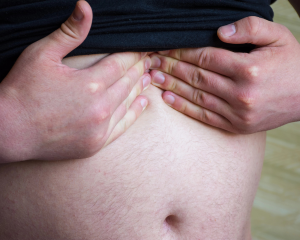
All hernias, no matter their severity, must be treated through hernia repair surgery since they do not resolve on their own. However, irreducible hernias require more urgency when it comes to treatment as they may lead to more serious health complications. While reducible hernias may be uncomfortable, they generally don’t pose an immediate threat to a patient’s health in the short term. A hernia repair specialist in Orange County will properly diagnose the type and severity of a hernia and recommend the most appropriate treatment option for a patient.
Preventive Measures
If you are a man, have a family history of hernias, or frequently engage in heavy lifting, you are more at risk for developing a hernia. The good news is that there are measures you can take to prevent this painful condition from occurring. Some lifestyle modifications that may help prevent hernias are:
- Maintaining a Healthy Weight: Being overweight puts extra pressure on a person’s abdominal muscles, which increases their risk of developing a hernia. By maintaining a healthy weight with diet and regular exercise, the pressure is reduced, and the risk for hernia formation is lowered.
- Practice Proper Lifting Techniques: When lifting heavy objects, it’s important to use proper form by bending at the knees, keeping the back straight, and using the core muscles. Doing this will help prevent excessive strain on the abdominal muscles.
- Manage Chronic Coughing or Constipation: Both chronic coughing and straining during bowel movements put repeated pressure on the abdominal muscles, which makes a person more susceptible to hernias. People who experience chronic coughing should talk to their healthcare provider to understand how to best manage this condition, and those with chronic constipation should aim to maintain a high-fiber diet, stay hydrated, and exercise regularly to keep their bowel movements regular.
Along with implementing the lifestyle modifications above, it’s also important to schedule regular screenings with a hernia repair specialist in Orange County if you’re at risk. If you have already undergone repair surgery, following the post-surgical care instructions provided by your hernia repair specialist in Orange County will help prevent the hernia from recurring.
Conclusion
Understanding and recognizing the differences between reducible and irreducible hernias is a key component for timely intervention. While adopting preventative measures will help minimize the chances of a hernia developing, those who are at a higher risk of experiencing a hernia should still undergo regular screenings and seek medical advice from a hernia repair specialist in Orange County if they notice symptoms.
At Orange County Robotic General Surgery, we’re committed to improving the lives of hernia patients through minimally invasive approaches. Contact us today to learn how we can support your hernia care needs.
Contact Us
To find out if inguinal hernia repair surgery is right for you, Contact Orange County General Robotic Surgery at (714) 706-1257 for a consultation with Dr. Abtin H. Khosravi.

