


Ventral hernias are quite common. In fact, surgeons complete around 350,000 ventral hernia repairs each year. But that number doesn’t include the people living with ventral hernias who are not yet ready for surgery.
If you’re one of those people, know that you’re not alone. People choose to wait for hernia repair surgery for several reasons. Perhaps you’re waiting until you can take more time off for recovery, or maybe you need to wait until you’re done having children to ensure a lasting hernia repair.
No matter the reason, there are ways to manage your ventral hernia so you don’t cause worsening symptoms. One of the most critical parts of hernia management is diet. So keep reading to explore how diet affects a ventral hernia and what foods you can – and cannot – eat.
Understanding Ventral Hernias
Ventral hernias occur when a portion of the intestine or tissue pushes through the center of the abdominal wall. They differ from hiatal and inguinal hernias because of their location. Hiatal hernias pass through the diaphragm into the chest, while inguinal hernias occur in the groin. Therefore, any hernia that occurs in the central abdominal area is considered a ventral hernia.
Since this is a fairly broad description, ventral hernias can be divided into subcategories:
- Epigastric hernia: An epigastric hernia emerges in the upper abdomen, between the breastbone and the belly button.
- Umbilical hernia: Although most common in infants, umbilical hernias can occur in adults when an intestine pushes through the soft area around the belly button. The most common reasons for an umbilical hernia in adults is obesity and a past or current pregnancy. Both causes weaken the abdominal muscles and make it easier for an umbilical hernia to emerge.
- Incisional hernia: Incisional hernias can be classified as ventral, hiatal, or inguinal hernias – it all depends on the location. If a patient has an incision from a prior surgery in the center of their abdomen and a hernia appears, it’s considered a ventral hernia.
Despite the different types of ventral hernias, they all emerge because of the same issue: prolonged pressure on the abdominal wall. This pressure can come from being overweight or participating in strenuous activities like lifting. Other things like diabetes, age, and smoking can also weaken the abdominal wall and make it easier for the intestines or tissue to push through.
Ventral Hernia Symptoms and Treatment
The first sign of a ventral hernia is usually a bulge in the abdomen. It may only appear when straining the abdomen (i.e., sitting up in bed, coughing, or exercising), or it may be a constant presence. If the hernia comes and goes, it’s considered a reducible hernia – or one that can be pushed back in place. Once the hernia can no longer retract into the abdomen, it’s considered an incarcerated hernia.
Incarcerated hernias are more serious than reducible hernias, and they may cause pain, discomfort, nausea, and bowel obstruction. An incarcerated hernia is also at risk of becoming strangulated or completely cut off from blood flow. This is an emergent situation since the strangulated intestine can die and release fatal toxins.
It’s important to understand that ventral hernias do not go away on their own. Patients may be able to manage their hernia for years – or not even realize they have one. However, there is always a risk for more serious symptoms. That’s why patients should seek medical attention as soon as they notice an abdominal bulge.
The diagnosis is quite simple; it usually just involves a physical examination. From there, the specialist will likely recommend surgery as a proactive approach to avoid worsening symptoms. However, many patients need to wait several months to years for the surgery due to scheduling, financial, or personal issues. The best option in those cases is proper hernia management.
The Role of Diet in Hernia Management
Physical restrictions are often a main focus in hernia management, but diet is just as critical.
The NIH reports that overweight and obese patients are twice as likely to develop hernias because of the pressure that excess weight puts on the abdomen. Now, for people who already have a hernia, that weight can cause the hernia to worsen. Regardless of whether the hernia emerged because of obesity, eating an unhealthy diet and gaining weight can put more pressure on the abdominal wall and cause the hernia to become incarcerated or strangulated.
A poor diet can also affect the digestive system – even if the patient is at a healthy weight. For example, not drinking enough water or not consuming enough fiber can cause irregular bowel movements and constipation. In a regular situation, this can be uncomfortable, to say the least. But with a hernia, constipation can be dangerous. The force required to push a bowel movement can be just as strenuous on the abdomen as lifting a heavy object. It can cause the hernia to push out even more and become incarcerated or strangulated.
Foods to Include in Your Diet
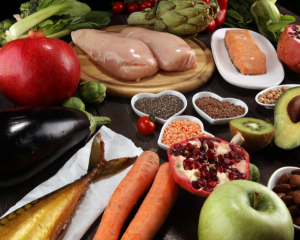
In general, a balanced diet helps patients maintain a healthy weight. If patients opt for fruits and vegetables over fatty foods or whole grains over carbohydrates, they can avoid gaining weight and promote a healthy gut.
Protein is also critical, but not protein with high fat and cholesterol. Lean proteins like white fish, plain Greek yogurt, and skinless chicken breast can help strengthen the abdominal muscles without causing digestive issues.
While patients should limit – or eliminate – saturated fats, they should increase the consumption of healthy fats. Examples of healthy fatty foods include avocado, canola oil, seeds, fish, and whole eggs.
Foods to Avoid
The goal of hernia management is to reduce stress on the abdomen – and unhealthy foods can stress, inflame, and irritate both the digestive system and the hernia.
With that in mind, patients should avoid any food that can cause gas and bloating. Examples include beans (even though they are high in fiber), carbonated drinks, and gluten. Some patients may experience gas and bloating with other foods, like cheese and lactose.
Fatty and fried foods can also be problematic for patients with a ventral hernia. The saturated and trans fats in these foods can cause inflammation in the bowels and worsen the hernia – as can foods with high levels of sodium. Plus, excess consumption of fatty foods causes weight gain and increased abdominal pressure.
Patients should also avoid overly acidic foods. While eliminating acidic foods is often unrealistic – especially since some citric foods are nutritious – patients should cut back on acidic things like coffee and orange juice. These foods can irritate the digestive tract and worsen hernia symptoms.
Surgery food consumption should also be limited. Like fatty foods, excess sugar consumption can cause weight gain and increased abdominal pressure. If patients have a sugar craving, they can opt for something healthier, like fruit.
Lifestyle Changes for Hernia Prevention and Management
In addition to a healthy, balanced diet, patients should avoid alcohol and tobacco. Both substances weaken the abdominal wall and affect the gastrointestinal system. They can increase the likelihood of hernia development and also worsen an existing hernia.
Patients should also implement a regular workout routine to help them manage a healthy weight. However, some exercises can actually worsen a hernia. For example, traditional sit-ups, crunches, and planks strain the abdomen, as do lifting routines. The best choice is to avoid these exercises altogether and focus on less strenuous exercises like biking, walking, and swimming. Even arm and leg workouts can still work as long as the central abdominal muscles are not being engaged.
Another important consideration is correct posture. Patients with desk jobs may be used to sitting hunched over, but that is unnatural for the stomach. It can cause the stomach and intestines to push out of place, worsening a ventral hernia.
Since so many lifestyle factors can affect an existing hernia, patients should schedule regular checkups with a specialist to ensure that it’s not becoming an emergent situation. Patients can also use this time to bring up any new symptoms and ask questions about what activities can help – or hurt – their hernia.
Understanding Hernia Surgery and Recovery
Regular check-ups can also give patients a chance to discuss hernia repair surgery options. While open surgery is the traditional approach, experienced surgeons can often perform laparoscopic or even robotic surgery on non emergency ventral hernias. These minimally invasive procedures allow for a much smoother recovery process and limited scarring.
Regardless of the surgery type, patients must still maintain a healthy diet (and no alcohol or smoking) during the recovery process. This removes unnecessary pressure from the digestive system and allows the abdomen to heal.
Patients should also continue this healthy, high-fiber and low-fat diet after surgery. Hernia recurrence is fairly common, and the combination of a poor diet and resulting obesity can cause the hernia to reappear.
Conclusion
Living with a ventral hernia can be uncomfortable, but there are ways to manage it. By implementing a healthy diet and regular low-stress exercises, you can avoid an emergent situation.
Just remember that hernias don’t ever go away on their own, and they generally worsen with time. Regularly attending checkups with an experienced surgeon can help you track the hernia’s progress and schedule a ventral hernia repair in Orange County, CA, before it becomes an emergency.
Contact Us
To find out if inguinal hernia repair surgery is right for you, Contact Orange County General Robotic Surgery at (714) 706-1257 for a consultation with Dr. Abtin H. Khosravi.

