
Don’t let anxiety and misinformation about gallbladder surgery keep you from getting the relief you deserve. Just like any surgical procedure, some concerns about recovery may seem a bit unpleasant and challenging to manage. However, modern-day gallbladder procedures have lower compilation risks and are less taxing and stressful on the body, so they are easier for patients to recover from.
If you’ve recently learned that you’re a candidate for gallbladder surgery in Orange County, CA and have yet to schedule your operation or are awaiting surgery as you read this, consider these pointers on how to alleviate the discomfort for a quick and uneventful recovery.
- What Is Gallbladder Surgery?
- What Is Gallbladder Surgery Removal Necessary?
- What Are the Risks or Complications of Cholecystectomy?
- What are the Gallbladder Removal Side Effects?
- What Type of Digestive Changes Should I Expect After Surgery?
- Tips to Prevent Gallbladder Surgery Discomfort
- Diet After Gallbladder Surgery
What Is Gallbladder Surgery?
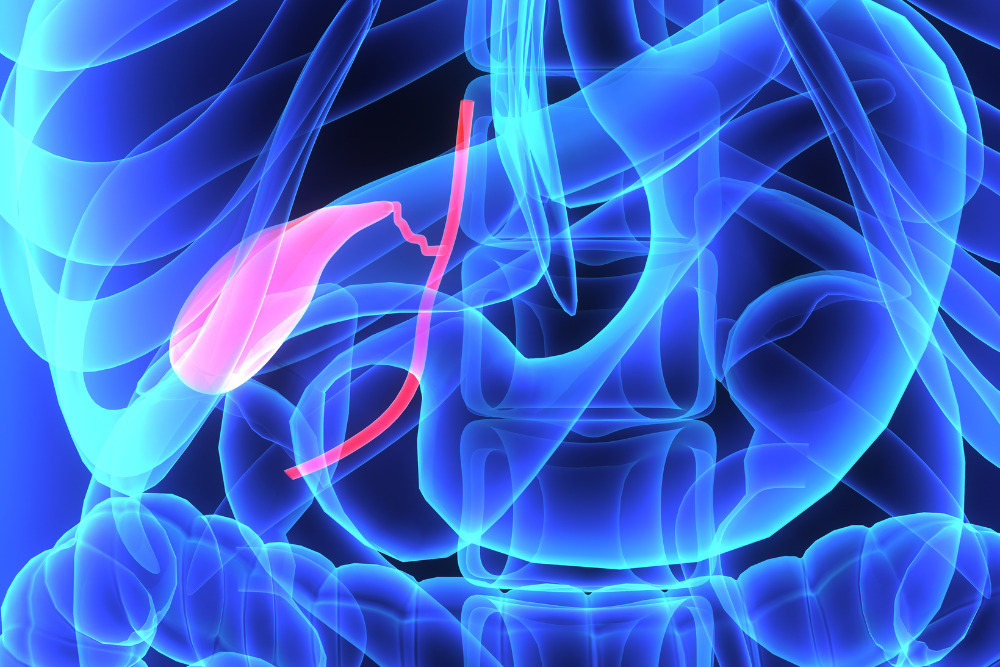
Gallbladder surgery, also known as cholecystectomy, is a surgical procedure to remove the gallbladder, a small organ located below the liver that stores bile, a digestive fluid produced by the liver. Gallbladder surgery is also done to remove deposits of cholesterol and other substances called gallstones that form in the gallbladder. This procedure is often recommended for those experiencing gallstones or gallbladder disease complications.
When Is Gallbladder Surgery in Orange County, CA Removal Necessary?
Gallbladder surgery is not typically the first line of treatment for gallstones or gallbladder disease. However, cholecystectomy is often necessary to remove the gallbladder when inflammation, infection, or gallstones are present. Untreated inflammation, infection, and organ damage can occur.
Many patients try alternative treatments like diet and lifestyle changes to lose weight, pain relievers, and other medications to manage the pain and inflammation associated with gallbladder dysfunction or disease before considering gallbladder surgery. It’s important to note that these alternative treatment options may not work for everyone and should be discussed with a gallbladder surgeon first.
What Are the Side Effects of Gallbladder Surgery?
Gallbladder surgery is performed laparoscopically and as an open abdominal procedure. The type of surgery provided is patient dependent on various factors, including the type of disease or dysfunction or gallstones present, health profile, and the surgeon’s recommendations. Patients with severe symptoms or experiencing complications like abdominal pain, nausea, vomiting, and fever can benefit from surgery. The procedure is also a preventive treatment for those with an elevated risk of developing gallstones.
In some cases, gallbladder surgery may be done as an emergency procedure if a person is experiencing severe symptoms, such as severe abdominal pain, high fever, or yellowing of the skin and eyes (jaundice), which may indicate that the gallbladder has become infected or that a gallstone has become lodged in a duct, blocking the flow of bile.
Gallbladder surgery in Orange County, CA is a safe and standard treatment for patients with gallbladder issues. But complications like the following can occur.
- Bleeding can occur during or after surgery. Blood transfusions may be needed in rare cases.
- Infection risks are common with all types of surgery, including cholecystectomy. Signs of infection include fever, redness, and swelling at the surgical site.
- Damage or injury to nearby organs. This risk is higher with conventional cholecystectomy procedures than with robotic assist and laparoscopic gallbladder surgeries.
- Blood clots can form in the legs or lungs after surgery.
- Pain and discomfort near the incision site are normal and easily managed with over-the-counter and prescription pain medication prescribed by your surgeon.
- Bowel obstructions and adhesions are rare but occur when the intestines become stuck together by scar tissue, causing an obstruction.
- Nausea and vomiting are often due to patient sensitivity to the medications and anesthesia used to perform the procedure.
- The body can function just fine without a gallbladder. However, some patients may develop diarrhea or fat malabsorption as their bodies adapt to processing bile.
- Fatigue and general weakness are common for the first few weeks after surgery as the body recovers.
- Hernia formation near the surgical site is rare. Surgical incisions can weaken the abdominal wall, increasing the likelihood of the intestines bulging through.
- Diarrhea, abdominal pain, bloating, and constipation from bile regulation issues.
In some cases, Dr. Abtin Khosravi, MD may switch from laparoscopic surgery to open surgery to decrease overall safety risks to the patient. Gallbladder surgery conversions come with additional risks.
Diet After Gallbladder Surgery in Orange County, CA
After gallbladder surgery, patients should expect their digestive system to be sluggish. To help speed up healing and recovery, follow a healthy diet to help improve digestion and prevent complications. Here are some post-gallbladder surgery dietary guidelines to consider.
- Start with a clear liquid diet of water, broth, and juices.
- Gradually introduce solid foods once you can tolerate clear liquids. Start with small, frequent meals of soft, easy-to-digest foods like cooked vegetables, fruit, and lean protein.
- Avoid high-fat and fried foods. These foods are difficult for the body to digest after surgery and can cause diarrhea and constipation.
- Avoid foods that cause gas. Beans, broccoli, and cauliflower are common offenders.
- Maintain a balanced diet of fruits, vegetables, lean protein, and whole grains.
- Pay attention to how your body reacts to different foods and adjust your diet as needed to alleviate discomfort.
Dr. Khosravi reviews dietary recommendations with patients prior to and after their procedure.
Tips to Prevent Post-Gallbladder Surgery Discomfort
Gallbladder surgery, or cholecystectomy, can cause some discomfort and pain, both during the recovery period and after it. Use these suggestions to minimize discomfort after gallbladder surgery.
- Take pain medication as prescribed.
- Rest and allow your body to heal after surgery. Avoid strenuous activities and heavy lifting for at least a few weeks after surgery.
- Use a heating pad or warm compress to the abdomen to relieve pain and muscle soreness.
- Take proper care of your incisions. Keep them clean and dry and follow your surgeon’s wound care instructions.
- Stay active with short walks and gradually increase your activity levels.
Orange County Robotic General Surgery gallbladder surgery patients receive postoperative care guidelines that are specific to their circumstances to follow during their recovery. Contact Dr. Khosravi right away if you experience severe pain or issues or have concerns. Call us at (714) 541- 4996!
Contact Us
To find out if inguinal hernia repair surgery is right for you, Contact Orange County General Robotic Surgery at (714) 706-1257 for a consultation with Dr. Abtin H. Khosravi.