


Learning that your treatment plan for enlarged lymph nodes includes laparoscopic and robotic dissection can be overwhelming. You might find yourself with some questions or concerns about how beneficial it is. Lymph node dissections (lymphadenectomies) are standard procedures that aid in the detection of certain diseases and cancers.
The Importance of a Lymphadenectomy
The lymph nodes are the body’s lymphatic system fluid reservoirs. These structures connect the lymphatic vessels that transport lymph fluid throughout the lymphatic system. The risk of aggressive cancers and conditions and poor outcomes is significantly higher once malignant cells reach the lymph nodes. Infections and cancers can spread to other areas of the body via the lymphatic system. Node dissections not only help determine the severity of the patient’s condition but also help determine the recommended course of care.
What Is Laparoscopic and Robotic Lymph Node Dissection?
Today, most lymph node dissections are performed utilizing laparoscopic and robotically. When compared to traditional lymphadenectomy procedures, both laparoscopic and robotic-assisted procedures are minimally invasive. The procedures are very similar. The main difference between the two is the surgeon uses the da Vinci Robotic System to perform robotic node dissections and special surgical instruments for laparoscopic node dissections.
Laparoscopic and robotic dissections are used to address enlarged lymphoid tissues in the following regions of the body:
- Axillary lymph nodes are located in the armpits. Dissections are used to detect breast or mammary tissue cancers.
- Inguinal nodes are located in the groin. Enlargement and swelling can indicate anal, penile, or vulvar cancers.
- Cervical lymph nodes are located in the head and neck areas. Dissections are used to detect and establish treatment protocols for cancers associated with the head, neck, and thyroid.
- Retroperitoneal lymph nodes are situated in the posterior of the abdomen cavity. Dissections are used to rule out testicular and ovarian tumors and disease activity.
Advantages of Laparoscopic and Robotic Dissection for Enlarged Lymph Nodes
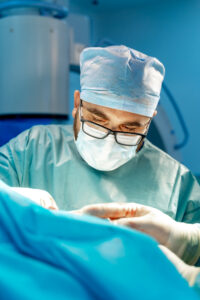
Less noticeable cosmetic blemishes: The use of state-of-the-art surgical tools and advanced robotics technology allows the surgeon to perform the procedure using smaller and fewer incisions. The surgeon also doesn’t have to manipulate the surgical area as heavily or extensively as necessary for more traditional or open procedures. Some bruising, discoloration and minor skin blemishes are normal side effects of most surgical procedures but are much less severe or noticeable after laparoscopic and robotic surgery.
Less pain, soreness, and discomfort: Patients experience little downtime. Initially, pain and general discomfort tend to peak within the first few hours after surgery. Bear in mind that some pain and discomfort are to be expected and the use of prescription medications and other therapeutics can help the recovery period more manageable. Patients should follow all postoperative care instructions for an optimal outcome.
Shorter recovery period: Techniques and advanced technology make both laparoscopic and robot-assist dissections safer and less stressful and harmful events for patients. All surgical procedures require the surgeon to make cuts and manipulate tissues, muscles, and organs that cause harm, stress, and injury to the body. Minimally invasive surgeries minimize the amount of work necessary to perform them, thus reducing the amount of trauma to heal and recover from. Laparoscopic surgery patients have shorter recoveries than traditional surgery patients, with robotic dissection candidates requiring the shortest amount of time to get back to their normal lives.
Better outcome: Due to the use of certain techniques, an advanced robotics system, and surgical instruments, there is significantly less trauma leading to better outcomes regarding procedure risks and complications. There’s a higher risk of healing impairments and poor outcomes with traditional dissection versus less intensive or physically demanding medical procedures, including robotic and laparoscopic dissections.
Fewer recovery activity restrictions: Patients can maintain more of their mobility and independence with minimally invasive dissections. There is less risk of accidental injury and self-induced complications because activity limitations are minimal.
Better accuracy: Lymph node dissections are often performed to determine disease activity and are critical for advanced cancer treatments. Harmful or malignant tissues and lymphoid tissues can be detected, sectioned off and removed with greater accuracy, leaving behind more healthy and functional tissues and nodes, even in harder to access areas. The results of the dissection and the patient’s health are used to determine the appropriate course of treatment afterwards.
Lymphadenectomy Risks
There are risks associated with lymphadenectomies, but many of them outweigh those associated with cancer. Blood clots, infection, fluid retention, slow healing, nerve damage, scarring, and an increase in pain are also common with other standard medical procedures. Most of these complications rarely occur but are more prominent in individuals who have more advanced disease activity, multiple enlarged or abnormal lymph nodes, their location, and other mitigating factors.
Dissections don’t always lead to lymph node removal. There are cases where alternative treatments may be more beneficial to the patient than dissection. For example, dissection patients who learn their results indicate the presence of early-stage cancer or disease activity may also benefit from chemotherapy and other anticancer medications and therapies.
Contact Us to Discover the Unique Benefits of Minimally Invasive Lymphadenectomy
Anyone with enlarged or abnormal lymph nodes should weigh the pros and cons of all diagnostic and dissection options that are pertinent to their situation. To learn more about laparoscopic or robotic dissection for enlarged lymph nodes, please give us a call to set up a consultation to discuss your situation and treatment options.
Contact Us
To find out if inguinal hernia repair surgery is right for you, Contact Orange County General Robotic Surgery at (714) 706-1257 for a consultation with Dr. Abtin H. Khosravi.

